.svg)

The mortgage credit certificate most Georgia buyers never hear about
A mortgage credit certificate, or MCC, turns a slice of the mortgage interest you already pay into a federal tax credit worth commonly up to $2,000 a year. Unlike down payment help that you use once at closing, the MCC keeps paying you every year you keep the home and the loan. Most buyers I meet in Clayton County have never heard of it, and that costs them real money over time.
Why this one is easy to miss
Down payment programs get all the attention because they solve the loudest problem. Buyers walk in worried about cash to close, so lenders and agents talk about Georgia Dream and Clayton County DPA. Those matter. But they hand you money once, and then they are done.
The MCC works differently. It shows up on your tax return, not your closing disclosure, so it is quiet. There is no big check, no line item at the table that makes you feel richer that day. It just lowers what you owe the IRS, year after year. Because the benefit lands in April instead of on move-in day, it is easy to skip past, and plenty of people do.
What a tax credit actually does
Here is the part worth slowing down on, because credit and deduction are not the same thing.
A deduction lowers the income you get taxed on. If you are in a 22% bracket and you deduct $1,000 of mortgage interest, you save about $220. The rest of that interest is still money out the door.
A credit comes straight off the tax you owe. A $2,000 credit means $2,000 less on your tax bill, dollar for dollar. It is not a discount on your income. It is a discount on the tax itself.
So an MCC set at $2,000 a year is worth far more than a $2,000 deduction. That is the whole point. It converts a chunk of your interest into a credit and leaves the remaining interest still deductible if you itemize. You confirm the exact percentage and the annual cap with a participating lender, because the issuing agency sets those numbers and they vary.
A Riverdale example, numbers illustrative
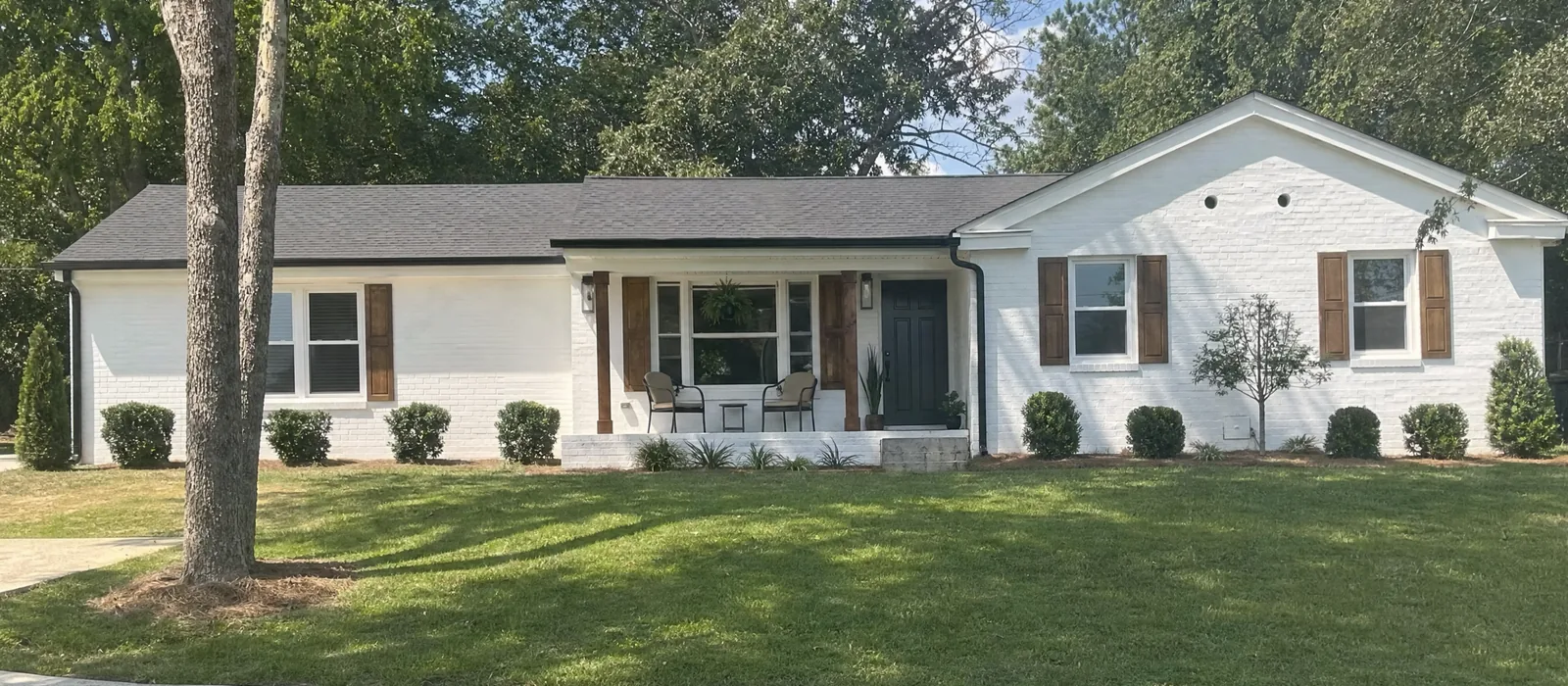
Say you buy a home in Riverdale around $270,000 and put a small amount down, so your loan is close to $260,000. In the early years of a 30-year mortgage, most of your payment is interest. On a loan that size you might pay somewhere near $13,000 in mortgage interest that first year.
An MCC applies a set percentage to that interest to figure your credit, capped at a yearly maximum that is commonly $2,000. If your certificate lands you at the cap, that is $2,000 off your federal tax bill for the year. Keep the home and the loan the next year, and you claim it again. Over a decade in the home, a credit like that can add up to real money, all from interest you were already paying.
Treat those figures as illustrative. Your loan amount, your interest, the credit percentage on your certificate, and how much federal tax you owe all move the real number. A participating lender and a tax pro can run your actual case.
How it stacks with the other help
An MCC is a layer, not a plan by itself. The strongest setups I see in Clayton County stack a few pieces together.
A common shape looks like this. You take an FHA first mortgage for the low down payment. You pull in Georgia Dream or Clayton County DPA for the cash to close. Then you add the MCC on top for the annual tax credit. The down payment programs handle the upfront hurdle. The MCC handles the years after. They are built to work alongside each other, and a good lender will tell you whether all three fit your file.
If you want the full picture on stacking assistance, start with my first-time buyers page, which walks through how the pieces fit for a Riverdale purchase.
The honest caveat
Here is the catch, and it is a real one. MCC programs open, close, and change with funding cycles and policy. Availability is not guaranteed every year. Some years the money is there, some years it is paused, and the issuing agency can change the credit percentage or the caps.
You also have to apply for it through a participating lender at the time you get the loan. It is not something you tack on later or claim on your own after the fact. If it is not set up when your loan closes, you generally miss the window on that purchase. That is why I bring it up early, before a buyer picks a lender, so we can ask the right question up front: is the MCC open this year, and does this lender offer it.
What to do next
If you are getting close to buying in Riverdale or anywhere in Clayton County, do two things. Ask a participating lender whether an MCC is available this year and whether it fits your loan. And confirm the tax side with a tax pro, since the credit only helps to the extent you owe federal tax. My mortgage credit certificate page lays out who qualifies and what you get in plain terms.
I cannot issue the certificate or promise it will be open when you buy. What I can do is make sure it is on the table from the first conversation, so you do not leave years of tax credit sitting there unclaimed because nobody mentioned it.
I am Johnnie Benton Sr., a licensed Georgia REALTOR® with Epique Realty. I am not a mortgage lender or a tax advisor, and this article is educational, not lending or tax advice. Program rules and figures change over time, so verify your numbers with a participating lender before you rely on them. Start with one conversation.
“An MCC turns part of the interest you already pay into a yearly federal tax credit. A participating lender can tell you if it is open.”
How I read these numbers before you act on them
Every figure on this page comes from county records, the MLS, or the program's own rules, with the date I pulled it. I would rather hand you the real number than a rounded-up one that feels better.
The MCC and the other pieces with filing deadlines attached come up at the first-time buyer workshop.
When you are ready, the next step is one conversation. We look at your situation, not a template, and figure out whether I am the right fit before you commit to anything.




Our latest articles

.svg)