.svg)
Downsizing in Riverdale

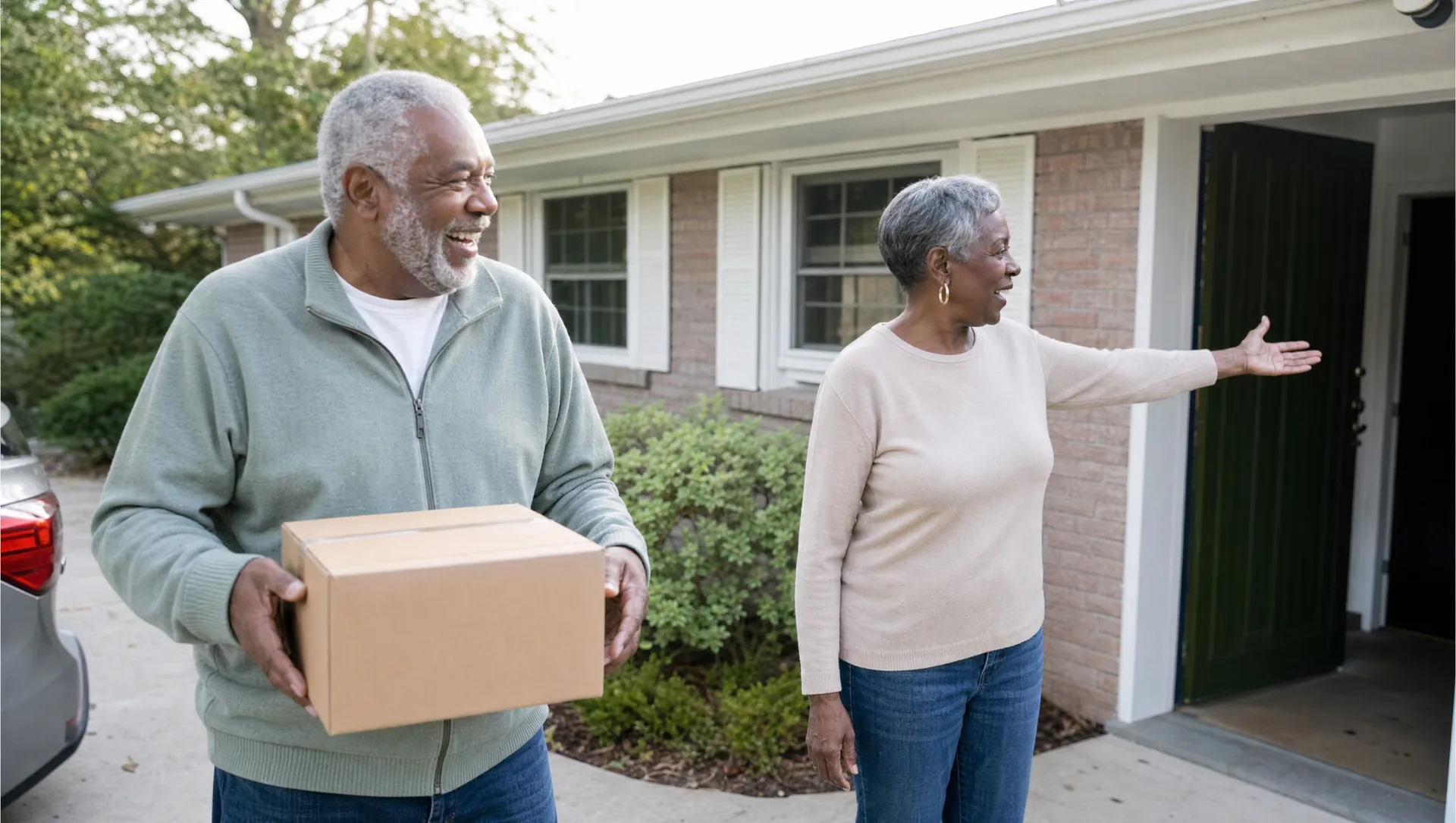
Most people call this downsizing. I call it right-sizing, because after thirty or forty years in a house the question is not how small you can go. It is what you actually need now, and what the change is worth in cash and in stairs you no longer climb.
The order matters more than the house
The single thing that turns this from calm into frantic is buying before you have sold. Two mortgages at once is the situation nobody plans for and plenty of people end up in, and it costs far more than any decorating decision.
Sell first, with a plan for where you land in between, and you negotiate the next purchase from a position of strength instead of a deadline. That sequencing is the first conversation I want to have with you, before we look at a single listing.
Clayton still has the house you are looking for
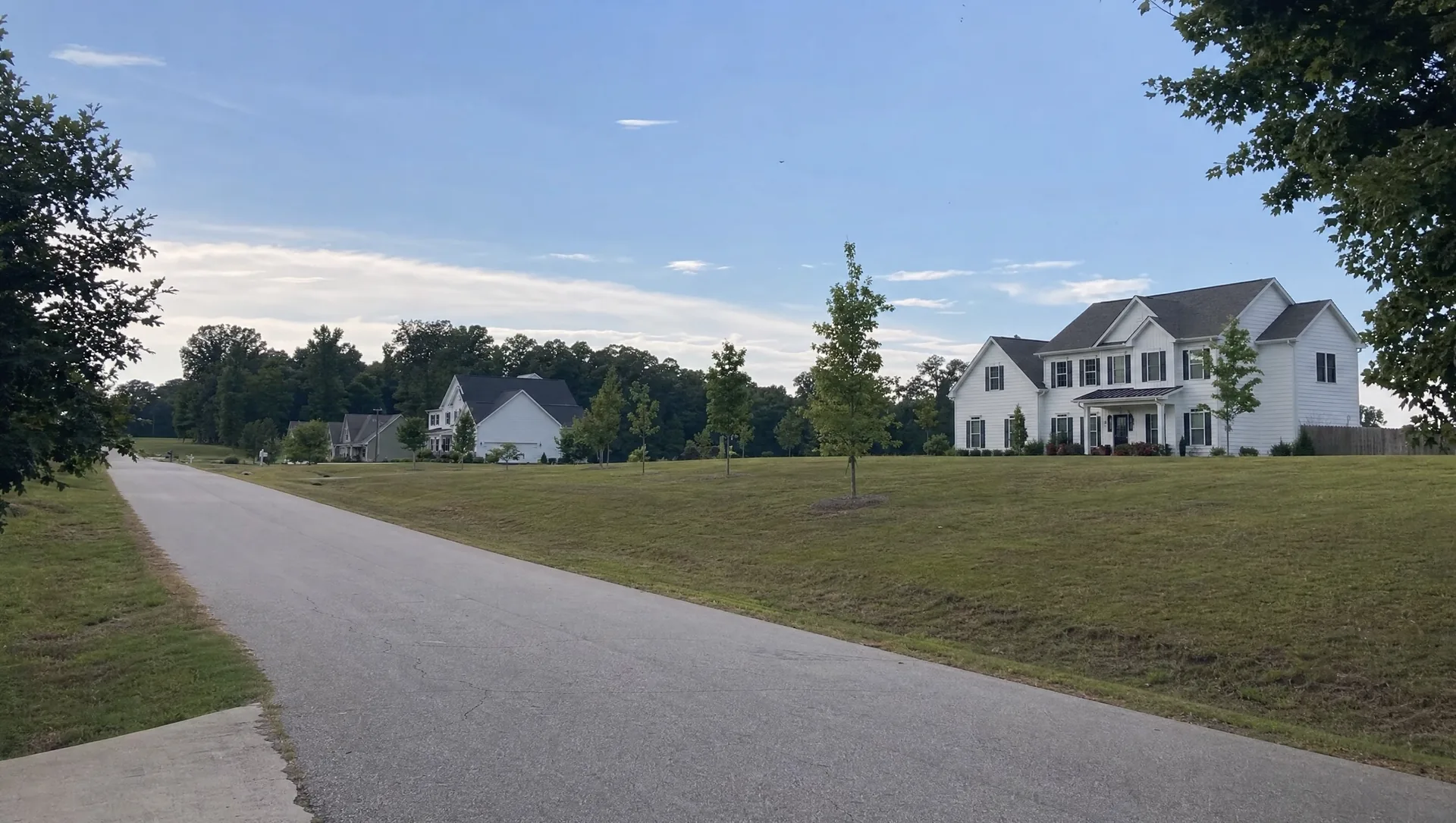
A huge share of the county's stock is brick ranches and split-levels built between the mid-1970s and the mid-1990s. Solid construction, one level, no stairs, real lot sizes. North-metro counties stopped building this kind of home decades ago, which is exactly why buyers keep coming south for it.
If a no-stairs layout is the point of the move, the 30296 side of Riverdale is where the brick ranches with the bigger lots sit. Lovejoy is worth a look too, where the stock runs newer and single-level.
The tax breaks almost nobody files
This is the part that quietly returns money every single year, and most retirees here never claim it.
- Clayton senior homestead exemption. At 65 or older by January 1, the standard $10,000 exemption doubles to $14,000 of assessed value. The catch is a strict income test: under $10,000 of taxable income excluding Social Security, which a pension or IRA distributions can blow straight past. File with the Tax Commissioner by April 1 either way, because you still get the regular homestead.
- Disabled veteran homestead exemption. If you are rated 100 percent permanent and total, 100 percent by individual unemployability, or hold a qualifying statutory loss-of-use award, this takes up to $121,812 off your assessed value, the ceiling for 2025 and indexed annually. It is the largest annual number available to a homeowner here, and the county applies whichever exemption helps you most.
The reverse mortgage question, answered straight
If you are 62 or older you have heard the phrase and probably felt your guard go up. Good. It is a real tool that fits some people here and is the wrong move for plenty of others, so here is the plain version.
A HECM for Purchase lets a buyer 62 or older use an FHA-insured reverse mortgage to buy the next primary home. The part that trips people up: you still bring a large down payment, roughly 45 to 62 percent of the price depending on your age. The loan covers the balance, and there is no required monthly mortgage payment for as long as you live there. Older buyers put down less, because the loan is sized on how long you are statistically likely to stay.
What it does well is cash flow. No monthly payment to a lender, and you keep part of your sale as a cushion for medical costs or breathing room instead of sinking every dollar into the next house.
Now the half people skip. The balance grows year over year because you are not paying it down, so your equity shrinks while the loan gets bigger. Closing costs run higher than a normal mortgage. You still owe the taxes, the insurance and the upkeep. And it cuts what you leave your children — if a paid-off house for them is the priority, this is the wrong tool and I will say so.
HUD counseling is required before you close, which is a good thing. Often the simpler paths win anyway: sell and buy outright with cash, or sell and carry a small conventional loan.
Worth reading before you decide
- HECM for Purchase, in full — the mechanics and the fine print.
- The honest pros and cons — who it fits and who it does not.
- The Clayton senior homestead exemption — the income test, and what to bring.
- How to actually file the exemption — step by step with the county.
Not sure what applies at your age and income? The two-minute program matcher covers the right-sizing path too, and gives you the answer on screen.
I am a REALTOR with Epique Realty, not a lender and not a tax adviser. A HUD-approved counselor and the Clayton County Tax Commissioner confirm what applies to you. My job is making sure you know the questions before anybody asks you to sign.